

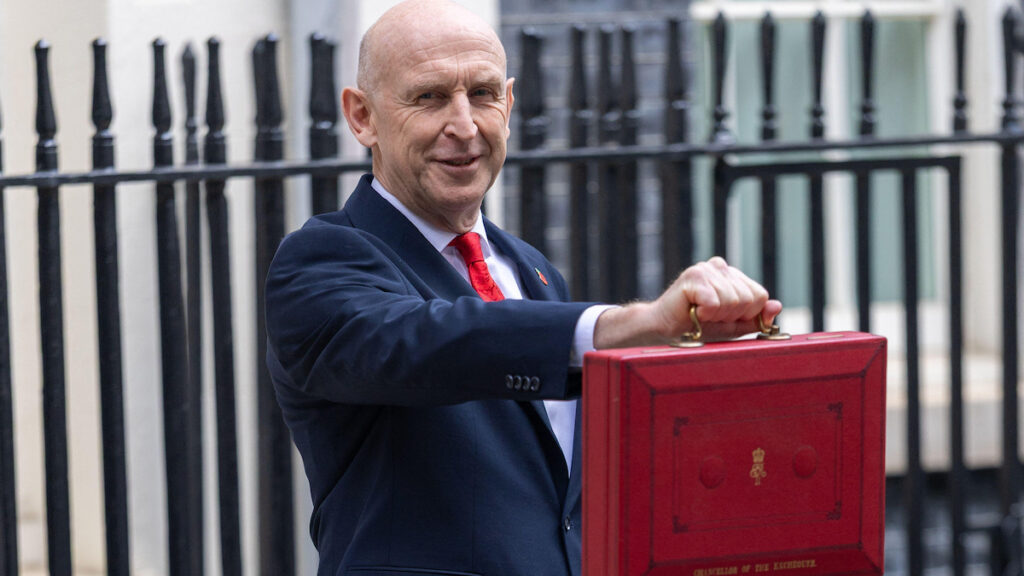
British racing has avoided the worst-case scenario in the 2026 Budget, but it has still taken a significant hit. Chancellor John Healey announced on Wednesday that machine games duty (MGD), the tax on gaming machines in betting shops, will rise from 20 to 25 per cent, with analysts suggesting the increase could cost the sport around £57 million.
Here are the key points from the Budget for British racing, and how the betting industry has reacted.
Machine games duty rises to 25 per cent
The increase applies to Category B gaming machines, the higher-stakes terminals found in betting shops, casinos, bingo halls and adult gaming centres, and it will come into effect on 1 April 2027. Healey made clear the money will fund business rates relief for smaller high-street firms, telling MPs: “To pay for this support for our high streets, I’m raising taxes on gambling by increasing machine games duty from 20% to 25% for higher stakes machines, whilst protecting pubs and seaside arcades.”
The Office for Budget Responsibility expects the measure to bring in around £100 million a year from 2027-28. That is a far cry from the doubling to 40 per cent that the Social Market Foundation proposed in June, a plan that had the backing of former Prime Minister Gordon Brown, while 90 Labour MPs had also written to Healey urging him to raise the duty.
What it means for British racing
Racing and the betting shop are joined at the hip. The Betting and Gaming Council (BGC) puts the betting industry’s contribution to the sport at around £350 million a year, much of it through the Levy and media rights, and every shop that shuts its doors takes a slice of that with it. Analysts Regulus Partners believe the new rate could force half of Britain’s betting shops to close over the next four years, at a cost to racing of £57 million.
The sport is already feeling the pinch. More than 600 betting shops have closed or announced their closure since last year’s Budget, and Arena Racing Company estimates that has cost racing £17 million in Levy and media rights income. According to the Gambling Commission, just over 5,600 betting shops remain in Great Britain.
Last year’s Budget also lifted remote gaming duty from 21 to 40 per cent this April, while general betting duty on online sports bets will rise from 15 to 25 per cent next April. Crucially, bets on horse racing were excluded and remain at 15 per cent, as do bets placed in betting shops.
Betting industry and politicians react
The BGC branded the rise “a deeply damaging decision”, warning that almost 9,000 jobs could be lost and almost 1,000 betting shops and casinos could close or be at serious risk. “Every betting shop or casino closure means lost livelihoods, more empty premises and another huge blow to our high streets,” said chief executive Grainne Hurst. “The chancellor has chosen a tax rise that will cost British jobs, close businesses and hollow out high streets, while handing an advantage to illegal operators.”
JenningsBet chief executive Greg Knight had already summed up the industry’s mood before the Budget, saying a five per cent rise was no cause for celebration. “It’s a bit like when you’re waiting at an airport and they say you’ve got a three-hour delay, then they revise it to half an hour, and everyone cheers,” he said. “I certainly don’t think it’s a win. It could be an awful lot worse, couldn’t it, but I’m not celebrating because at the end of the day it’s still going to be a big drain on the industry.”
Shadow sport and gambling minister Louie French went further still, claiming the rise “will likely damage British racing, jobs, and sponsorship of sports” and that “Labour has given up on British racing and rural communities”.
The timing will sting for the major bookmakers, too. Paddy Power and Sky Bet owner Flutter has already announced around 1,400 redundancies in the UK and Ireland in the wake of last year’s tax rises, and with the Levy and media rights so closely tied to the health of the high street, racing will be watching their next moves very closely.